The information is for general informational purposes only and is not legal advice.
AREA OF FOCUS
Multi-Party & Government-Investigated Fatality Litigation
1 Practice Areas
1 Notable Representations
2 Insights
Overview
Multi-party fatality litigation arises when a single catastrophic incident gives rise to wrongful death claims against multiple defendants — contractors, engineers, material suppliers, and institutional parties — while simultaneously triggering parallel investigations by federal agencies such as the National Transportation Safety Board and the Occupational Safety and Health Administration. The convergence of government investigatory authority and civil litigation creates a uniquely complex procedural environment in which the handling of evidence, witness communications, and public statements carries consequences across both proceedings.
The defining demands of this category involve managing the interaction between civil discovery and regulatory investigation: preserving evidence consistent with both court orders and agency subpoenas, navigating the testimony of witnesses before regulatory bodies and civil courts, and coordinating with co-defendants whose litigation strategies may diverge significantly from the client’s interests. Effective representation requires command of both the substantive legal issues and the procedural architecture governing cases in which the factual record is simultaneously at issue before multiple distinct authorities.
Nature of the Matters
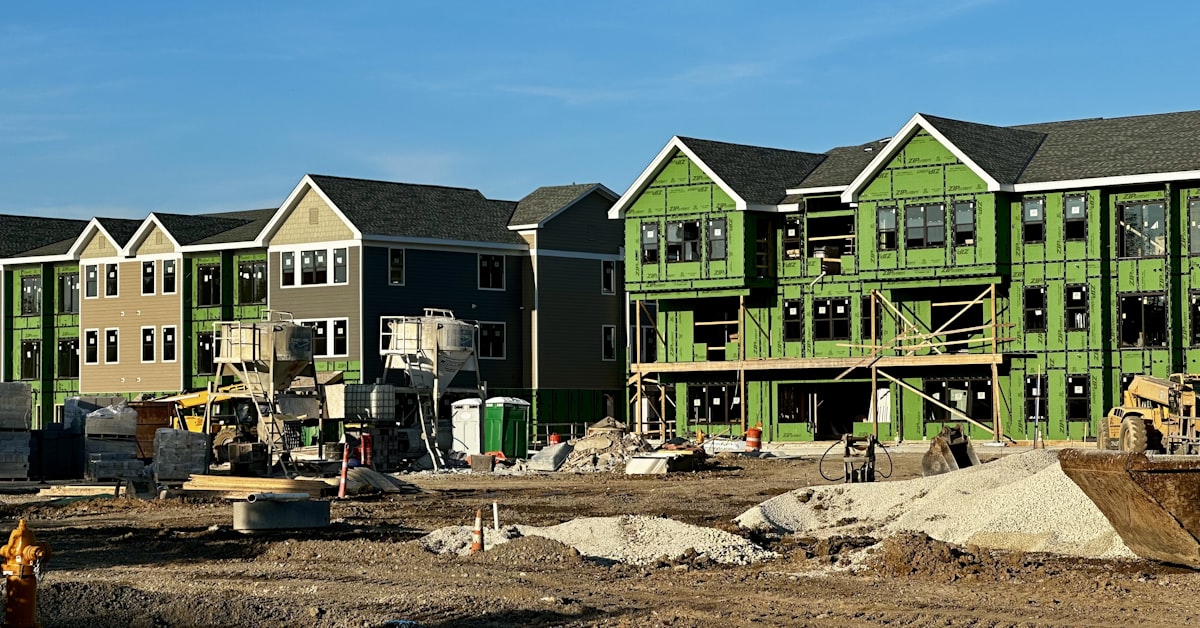
These matters typically arise from catastrophic incidents — infrastructure failures, construction collapses, and industrial accidents — that result in fatalities and trigger immediate responses from both civil plaintiffs and federal investigatory agencies. The multi-defendant structure is inherent to the nature of such incidents: responsibility for a single failure is frequently distributed across design engineers, material suppliers, construction contractors, inspection firms, and the institutional owner or operator of the affected structure.
The government investigatory dimension adds a layer of complexity that distinguishes these matters from conventional wrongful death litigation. Federal agencies conduct parallel inquiries with authority to compel document production and testimony, and their conclusions — while not binding in civil proceedings — may be introduced as evidence and carry significant persuasive weight before judges and juries. Managing the relationship between the regulatory record and the civil litigation record is accordingly a central strategic consideration throughout the engagement.
- Infrastructure failures, construction collapses, and industrial accidents resulting in multiple fatalities and parallel civil and regulatory proceedings
- Multi-defendant litigation in which responsibility is distributed across engineers, contractors, material suppliers, inspection firms, and institutional owners
- Parallel federal agency proceedings before the NTSB and OSHA generating overlapping evidentiary records with direct implications for civil litigation strategy
- Coordination with co-defendants holding divergent interests and competing causation theories across a shared factual record
- Management of evidence produced in or obtained through government investigations for use in parallel civil wrongful death proceedings
Strategic Approach & Experience
Representation in these matters requires building an integrated defense strategy from the earliest stages of the incident response — before civil pleadings are filed and while government investigations are in their preliminary phases. Decisions made in the days immediately following a catastrophic event — regarding document preservation, employee communications, agency cooperation, and public statements — shape the evidentiary record that will govern the litigation for years. Engagements have included the successful defense of a concrete manufacturer in the litigation arising from the FIU pedestrian bridge collapse, a nationally covered infrastructure failure that resulted in six fatalities, generated parallel NTSB and OSHA investigations, and produced civil litigation involving multiple defendants and competing theories of causation.
- Early-stage incident response strategy coordinating civil and regulatory defense from the outset of the engagement
- Document preservation and evidence management across overlapping government investigation and civil discovery obligations
- Defense of individual defendants in multi-party wrongful death litigation with divergent co-defendant positions and competing causation theories
- Management of federal agency cooperation and witness testimony consistent with parallel civil litigation strategy
- Successful defense in multi-defendant mass-casualty litigation arising from nationally covered infrastructure failures subject to concurrent NTSB and OSHA investigations
Media Coverage
- Good Morning America — FIU Bridge Collapse: At Least 4 Killed After Pedestrian Bridge at Florida College Collapses
- PBS NewsHour — News Wrap: Cars Crushed in Deadly Florida Bridge Collapse
- CNN — ‘It Cracked Like Hell.’ Engineer Ignored Warning Signs Hours Before Deadly FIU Footbridge Collapse, Report Says
Related Insights
Insights addressing legal developments and issues related to this area of focus.
Practice Areas Related to This Area of Focus
Wrongful Death
Wrongful death matters arise when a fatality results from negligence, misconduct, or unlawful actions. These cases focus on establishing liability and pursuing accountability and compensation for surviving family members.
Related Representations
FIU Bridge Collapse
Concrete manufacturer
Successfully defended concrete manufacturer in high-profile infrastructure failure case.
Media Coverage: Good Morning America · PBS · CNN