
Introduction
Commercial landlord-tenant disputes represent a significant category of real estate litigation, arising from the complex lease agreements that govern office, retail, industrial, and mixed-use properties. Unlike residential tenancies, commercial leases involve negotiated terms addressing rent escalations, maintenance obligations, permitted uses, exclusivity clauses, and assignment or subletting restrictions — each of which may become the subject of breach of contract claims when performance fails to meet expectations.
The financial stakes in commercial lease disputes can be substantial, particularly when long-term leases involve significant tenant improvements, guaranty obligations, or revenue-dependent rent structures. Disputes may arise from nonpayment of rent, contested lease terminations, failure to maintain premises, or disagreements over the exercise of renewal or expansion options.
Legal and Strategic Considerations
Litigation strategy in commercial landlord-tenant disputes is driven by the specific lease provisions at issue and the remedies available under applicable state law. Landlords pursuing rent recovery or eviction must comply with notice and cure provisions, while tenants defending against termination may assert constructive eviction, landlord breach of the covenant of quiet enjoyment, or failure to deliver premises in the condition required by the lease. Settlement considerations are often influenced by the cost of prolonged vacancy, the availability of replacement tenants, and the financial condition of the parties.

Key legal and strategic factors include:
- Interpretation of lease provisions governing default, cure periods, and available remedies including acceleration of rent
- Analysis of landlord obligations regarding maintenance, repairs, and delivery of premises in tenantable condition
- Evaluation of tenant defenses including constructive eviction, frustration of purpose, and force majeure clauses
- Assessment of damages frameworks, including lost rent, mitigation obligations, and recovery of tenant improvement costs
- Consideration of settlement structures that preserve ongoing tenancy relationships or facilitate orderly transitions
Outcome and Broader Significance
Commercial landlord-tenant disputes have taken on heightened significance in periods of economic disruption, when rising vacancy rates, shifting market conditions, and tenant financial distress generate waves of lease-related litigation. The precedents established in these disputes shape the drafting and negotiation of future commercial leases, influencing how risk is allocated between landlords and tenants across major real estate markets.
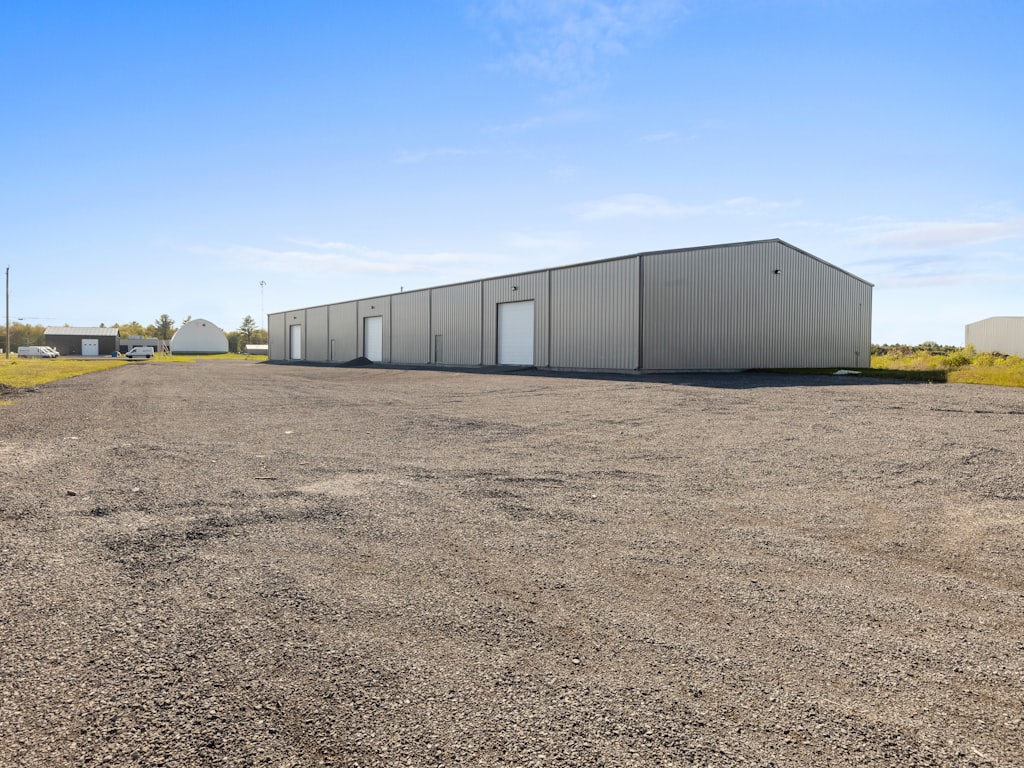
Whether the objective is enforcing lease obligations, defending against a wrongful termination claim, or negotiating a resolution that preserves commercial relationships, effective advocacy in this area requires precise analysis of the lease terms, a realistic assessment of financial exposure, and a litigation strategy calibrated to the commercial realities of the property and the market.