Introduction
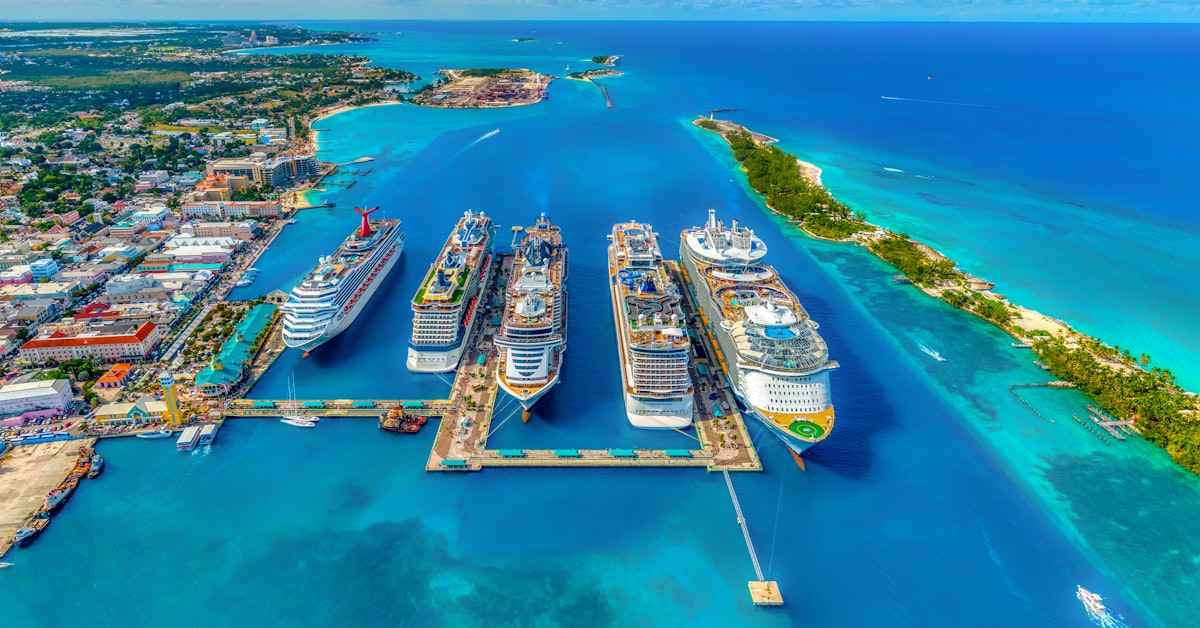
In 2020 and 2021, the global cruise industry became the focal point of an unprecedented wave of class action litigation arising from COVID-19 outbreaks aboard passenger vessels. Carnival Corporation, the world’s largest cruise operator, faced multiple simultaneous actions — including securities class actions and maritime negligence suits — as passengers, investors, and plaintiffs’ counsel sought to establish liability for losses tied to cruise line operations and risk disclosures during the early phases of the pandemic.
The resulting litigation tested the boundaries of federal maritime law, securities disclosure standards, and the procedural requirements for class certification in a novel context. Federal courts ultimately dismissed the central COVID-19 class action claims, including a dismissal with prejudice of securities-based claims against Carnival, with at least one court explicitly cautioning against the advancement of legally insufficient pandemic-era suits.
Legal Theories at Issue
Plaintiffs advanced several distinct theories of liability across the COVID-19 cruise litigation docket. In the securities context, complaints alleged that cruise operators made material misrepresentations or omissions regarding known COVID-19 risks aboard vessels — claims that required plaintiffs to demonstrate both the falsity of specific corporate statements and investor reliance in a rapidly evolving informational environment. In the maritime and consumer protection context, passenger suits alleged negligence, unseaworthiness, and failure to disclose infection risks prior to embarkation.

The layered legal framework presented several threshold obstacles for plaintiffs:
- Securities fraud claims required particularized pleading of scienter and materiality under the Private Securities Litigation Reform Act
- Maritime negligence claims encountered the limited and well-defined duty standards applicable in the cruise industry under federal admiralty law
- Class certification in a pandemic context faced acute typicality and predominance challenges, given the variability of individual passenger circumstances
- Causation was disputed at every level, as COVID-19 transmission dynamics during early 2020 remained the subject of substantial scientific uncertainty
Threshold Defense Strategy
Effective defense in complex class action litigation frequently turns on the ability to resolve claims before trial — either through dismissal on the pleadings, summary judgment, or the denial of class certification. In the COVID-19 cruise context, defense strategy prioritized early attacks on the legal sufficiency of the pleadings, the adequacy of the named plaintiffs’ claims to serve as class representatives, and the fundamental question of whether pandemic-related harm was cognizable under existing legal standards.
Key strategic elements in this category of defense include:
- Challenging the specificity of securities fraud allegations under heightened pleading standards
- Framing maritime duty standards to limit the scope of cognizable passenger claims
- Contesting class-wide causation given the individualized nature of COVID-19 exposure and harm
- Coordinating defense across parallel actions to maintain consistent legal positions across multiple jurisdictions
Outcome and Broader Significance
The COVID-19 securities class action against Carnival was dismissed with prejudice — a complete termination of the claims on the merits. Federal courts handling the maritime negligence actions similarly dismissed pandemic-era passenger suits, with at least one court explicitly cautioning plaintiffs’ counsel against the filing of legally unsupported pandemic claims. These outcomes confirmed that the creative legal theories advanced in the immediate aftermath of pandemic disruptions did not readily translate into cognizable class action liability.
The Carnival litigation produced several durable legal principles applicable to class action defense in novel factual contexts: courts will not expand existing legal frameworks to accommodate novel harms absent clear statutory or common-law authority; the heightened pleading requirements of federal securities law serve as an effective pre-discovery filter against speculative claims; and pandemic-specific causation challenges present genuine barriers to class-wide recovery. For corporate defendants facing first-impression liability theories, the cruise industry’s litigation record offers a meaningful doctrinal precedent.