Introduction
Cruise line liability disputes occupy a specialized niche within maritime litigation, blending admiralty law principles with consumer protection, personal injury, and class action practice. The cruise industry serves tens of millions of passengers annually, and the scale of operations — combined with the inherent risks of oceangoing travel — generates a steady volume of claims ranging from individual personal injury suits to multi-plaintiff class actions alleging systemic failures in safety, sanitation, or contractual performance. These disputes are governed by a combination of federal maritime law, international conventions, and the contractual provisions embedded in passenger ticket contracts that significantly affect the rights and remedies available to claimants.
The jurisdictional landscape of cruise line litigation is shaped in large part by forum selection clauses in passenger ticket contracts, which the United States Supreme Court upheld as generally enforceable in Carnival Cruise Lines, Inc. v. Shute (1991). Most major cruise lines designate a single forum — typically the Southern District of Florida — for the resolution of passenger claims, concentrating litigation in a jurisdiction with a well-developed body of cruise-related maritime law. This concentration creates both efficiencies and potential disadvantages for plaintiffs who must litigate far from their home jurisdictions.
Legal and Strategic Considerations
Cruise line liability in personal injury cases is generally governed by a negligence standard under general maritime law, requiring plaintiffs to establish that the cruise line had actual or constructive notice of a dangerous condition. This standard differs from the strict liability regimes applicable in some land-based hospitality contexts, and the burden of proving notice can present significant evidentiary challenges for passengers. In class action matters, plaintiffs must additionally satisfy the requirements of Federal Rule of Civil Procedure 23, demonstrating commonality, typicality, and adequacy of representation — standards that courts have applied with varying degrees of rigor in the cruise line context.

Both individual and class claims against cruise lines involve a set of recurring legal and strategic issues that shape the trajectory of litigation. Among the most consequential are:
- The enforceability and scope of forum selection clauses, limitation of liability provisions, and shortened statute of limitations periods contained in passenger ticket contracts, which cruise lines rely upon as threshold defenses
- The application of the general maritime law negligence standard, including the evidentiary requirements for establishing actual or constructive notice of hazardous conditions aboard the vessel or at ports of call
- Class certification challenges in cases alleging systemic failures — such as disease outbreaks, environmental contamination, or deceptive marketing practices — where individual issues of causation and damages may predominate over common questions
- The interaction between federal maritime law and state consumer protection statutes, including whether state-law claims are preempted by maritime law or barred by the contractual terms of the passenger ticket
- Multi-jurisdictional complications arising when incidents occur in foreign waters or at foreign ports, implicating the laws of flag states, port states, and the domiciles of injured passengers
Outcome and Broader Significance
The resolution of cruise line liability disputes reflects the tension between the maritime industry’s interest in predictable, limited exposure and the rights of passengers who may suffer serious harm during voyages. Individual claims are frequently resolved through settlement, often influenced by the cost and inconvenience of litigating in the cruise line’s designated forum. Class actions that survive certification can result in substantial aggregate recoveries, though the certification stage itself serves as a significant gatekeeping function that filters out claims where individual issues predominate.
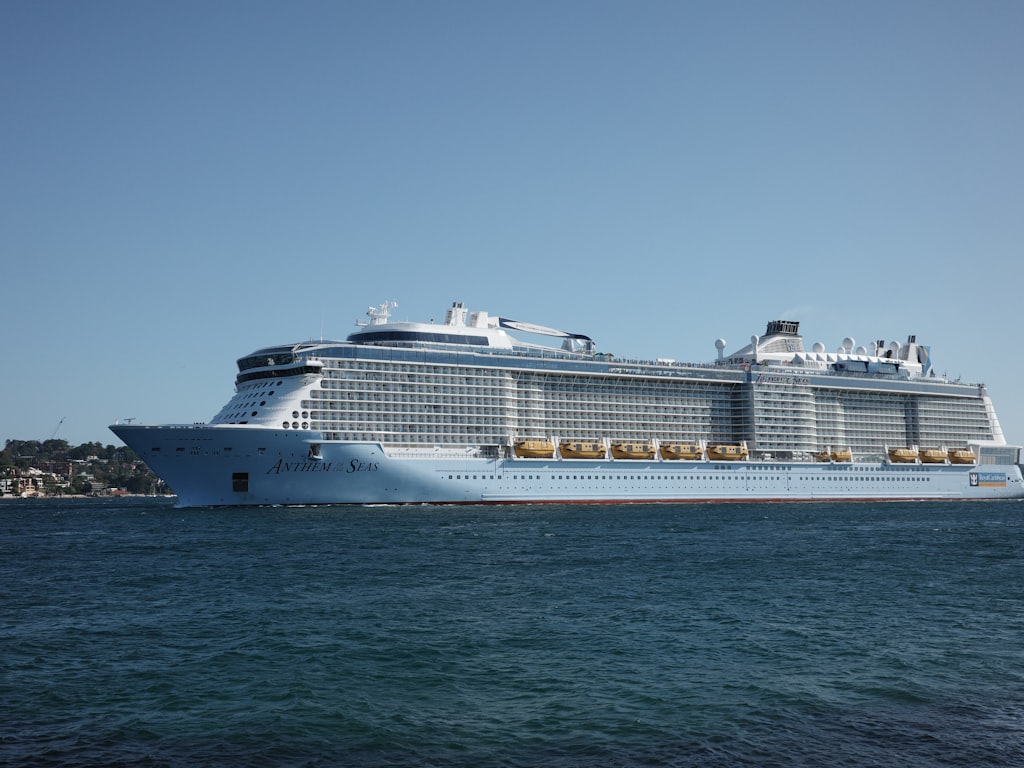
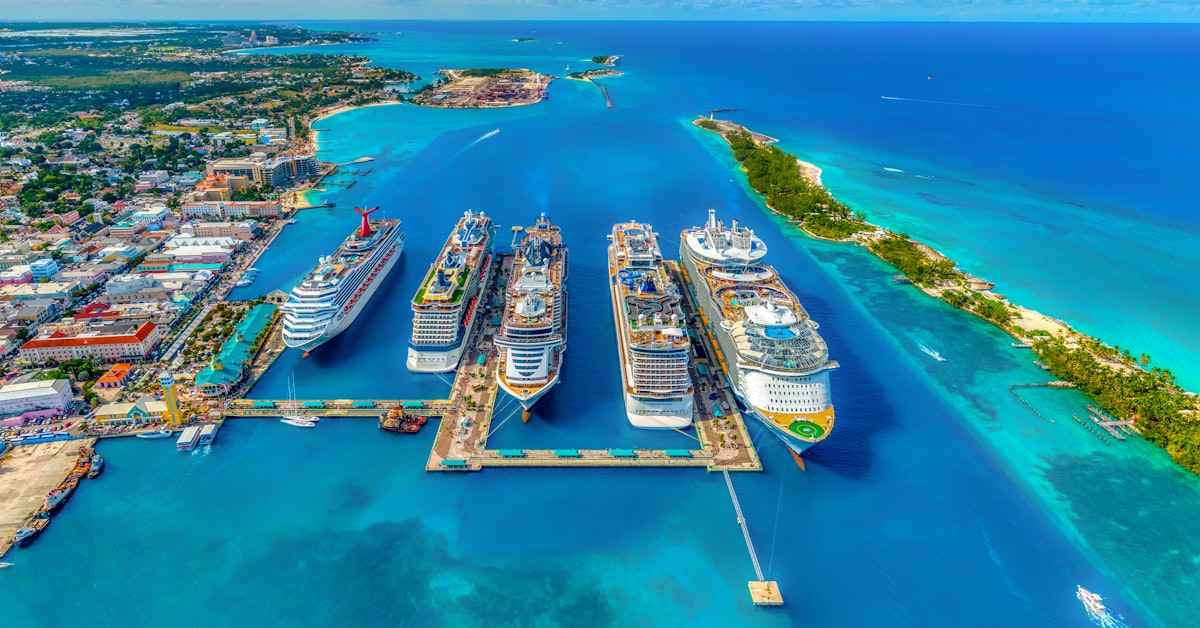
The cruise industry’s continued growth, including the deployment of increasingly large vessels carrying thousands of passengers, ensures that liability disputes will remain a significant component of maritime litigation. Regulatory developments — including enhanced safety and public health requirements implemented by the Centers for Disease Control and Prevention and international maritime organizations — may alter the liability landscape by establishing new standards of care against which cruise line conduct is measured. For both claimants and cruise line defendants, the strategic choices made at the outset of litigation regarding forum, class treatment, and the applicability of contractual limitations continue to exert a decisive influence on dispute outcomes.