
Introduction
In divorce proceedings involving substantial assets, the accurate identification and valuation of marital property depends on more than voluntary financial disclosure. When one or both parties hold complex business interests, maintain accounts across multiple institutions, or have historically structured transactions to minimize financial transparency, forensic accounting becomes an indispensable tool for establishing the true scope of the marital estate. The discipline applies investigative techniques drawn from accounting, auditing, and financial analysis to trace assets, detect unreported income, and uncover concealed business interests.
Forensic accounting in divorce litigation operates at the intersection of family law and fraud examination. Courts rely on forensic experts to provide independent analysis of financial records, tax returns, business valuations, and transactional histories. The credibility and rigor of this analysis can determine whether a spouse receives an equitable share of marital assets or is left with a division based on incomplete or misleading financial information.
Legal and Strategic Considerations
The deployment of forensic accounting in divorce cases requires coordination between litigation counsel and financial experts from the earliest stages of discovery. Parties seeking to conceal assets may employ a range of strategies — from understating business revenues and overstating expenses to transferring assets into the names of family members, associates, or entities. Identifying these patterns requires access to comprehensive financial records and the expertise to analyze them in the context of the parties’ overall financial history and lifestyle.
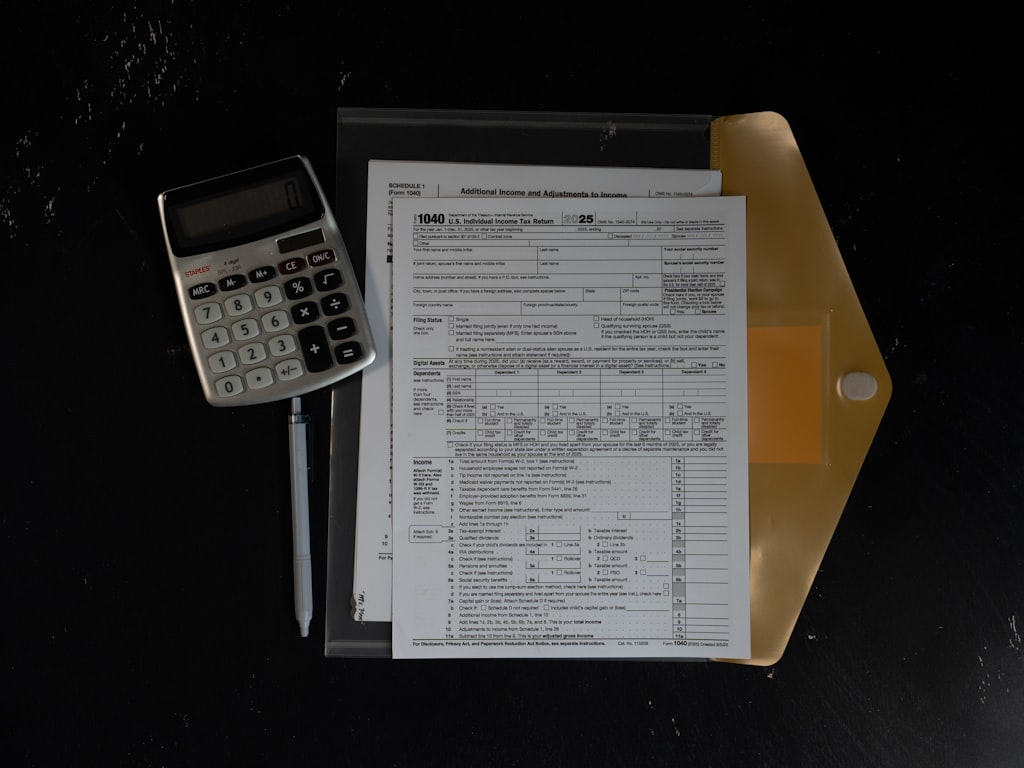
Forensic accounting investigations in divorce litigation typically address several critical areas:
- Income analysis, including the identification of unreported cash receipts, undisclosed perquisites, and income diverted through related-party transactions or nominee arrangements
- Asset tracing through bank records, wire transfer histories, and corporate filings to reconstruct the movement of funds and identify assets held in the names of third parties or undisclosed entities
- Business valuation disputes, where the controlling spouse may manipulate financial statements, defer revenue recognition, or accelerate expenses to depress the apparent value of a closely held business
- Lifestyle analysis comparing reported income and disclosed assets against documented expenditures — including real estate purchases, luxury goods, and travel — to identify discrepancies that suggest hidden wealth
- Estate and trust analysis, examining whether assets have been placed in irrevocable trusts, family limited partnerships, or other structures designed to remove them from the marital estate
Outcome and Broader Significance
The findings of forensic accounting investigations frequently alter the trajectory of divorce proceedings. Courts have imposed sanctions, including adverse inferences and fee-shifting, against parties found to have concealed assets or provided misleading financial disclosures. In cases where forensic analysis reveals previously undisclosed holdings, the court’s assessment of equitable distribution may change substantially — affecting not only the division of property but also alimony determinations and the allocation of litigation costs.
Forensic accounting has become a standard component of high-net-worth divorce litigation, reflecting the recognition that voluntary financial disclosure is insufficient in cases involving complex business structures and sophisticated financial planning. The discipline’s application in family law proceedings underscores a broader principle: that equitable outcomes in litigation depend on the quality and completeness of the factual record, and that expert financial analysis is often the only means of ensuring that the record reflects economic reality rather than the financial narrative preferred by one party.