
Introduction
The Federal Trade Commission (FTC) has long relied on court-appointed receivers as a central enforcement mechanism in consumer protection cases. When the FTC obtains a temporary restraining order or preliminary injunction against entities engaged in deceptive or unfair business practices, the appointing court frequently designates a receiver to assume control of the defendant’s business operations and assets. This approach serves the dual purpose of halting ongoing consumer harm and preserving assets for potential restitution to affected consumers.
FTC receiverships differ in important respects from receiverships arising in private litigation or SEC enforcement actions. The consumer protection mandate requires receivers to address not only asset recovery and distribution but also the cessation of harmful business practices, the management of consumer communications, and coordination with the FTC’s litigation team throughout the pendency of the case. The scale of FTC receiverships can be substantial, with some cases involving hundreds of thousands of affected consumers and assets spread across multiple states and countries.
Legal and Strategic Considerations
The legal framework governing FTC receiverships is rooted in Section 13(b) of the FTC Act, which authorizes the Commission to seek injunctive relief in federal court. Following the Supreme Court’s 2021 decision in AMG Capital Management, LLC v. FTC, which limited the FTC’s ability to obtain monetary relief directly under Section 13(b), the procedural landscape for FTC receiverships has evolved. Receivers now operate within a more carefully defined framework, with restitution and disgorgement remedies often pursued through alternative statutory provisions or through the receiver’s own affirmative litigation authority.
Significant legal and operational considerations in FTC receiverships include:

- Immediate asset freezes and the receiver’s obligation to secure business records, bank accounts, digital assets, and physical property within days of appointment, often requiring coordination with financial institutions and law enforcement
- Management of ongoing business operations where the court determines that a controlled wind-down is preferable to immediate cessation, requiring the receiver to balance consumer protection with the preservation of going-concern value
- Development of claims administration processes for potentially large classes of affected consumers, including the design of notice programs, claims forms, and distribution methodologies subject to court approval
- Pursuit of third-party claims against payment processors, banks, and other entities that facilitated the defendant’s unlawful conduct, which may represent a substantial source of recovery beyond the defendant’s own assets
- Coordination with state attorneys general and international consumer protection authorities in cases involving multi-jurisdictional operations or cross-border fraud schemes
Outcome and Broader Significance
FTC receiverships have resulted in the return of hundreds of millions of dollars to consumers harmed by deceptive business practices. The receiver’s role in these cases extends beyond simple asset liquidation to encompass a comprehensive effort to identify and recover diverted funds, unwind complex corporate structures designed to obscure ownership and control, and ensure that distribution plans achieve equitable results across large and diverse classes of claimants.
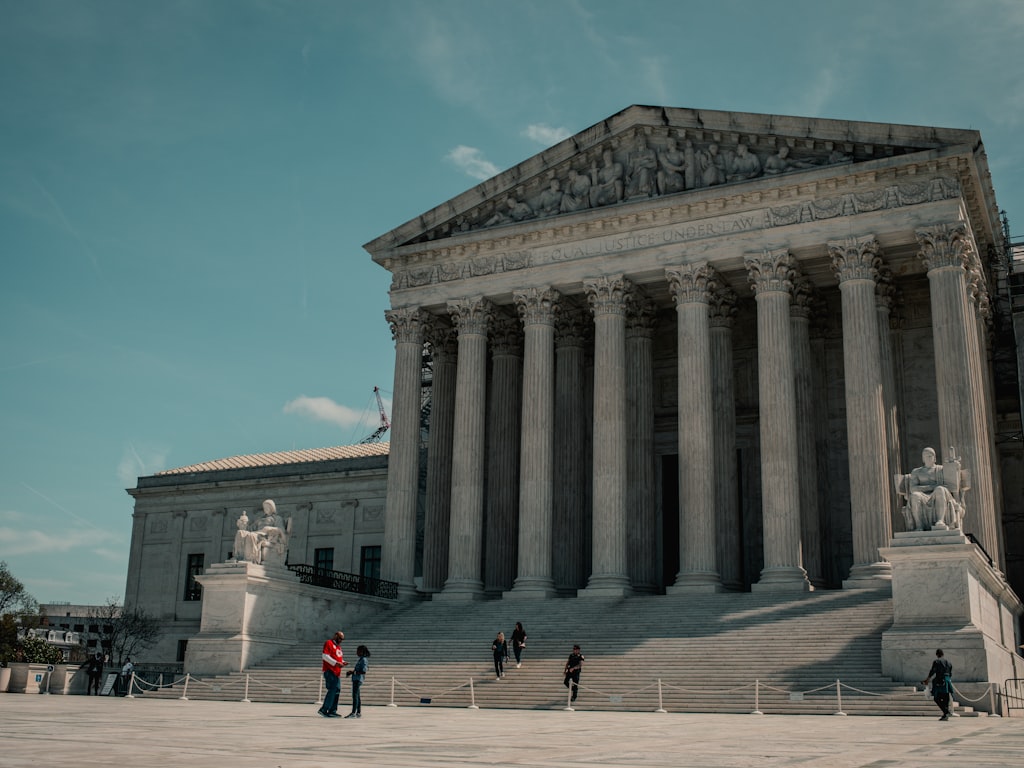
The evolving legal landscape following AMG Capital Management has prompted both the FTC and the receivership bar to adapt their strategies, with increasing reliance on the receiver’s independent authority to pursue affirmative claims and on alternative statutory bases for monetary relief. FTC receiverships remain a critical component of the federal consumer protection enforcement framework, and the complexity of these appointments continues to demand specialized expertise in both litigation and business management.