Introduction
Maritime law occupies a distinctive position within the broader landscape of commercial litigation, governed by a body of substantive rules — both domestic and international — that differs materially from the legal frameworks applicable to land-based commercial disputes. Complex commercial disputes arising in the maritime context frequently involve cargo damage claims, charter party disagreements, vessel arrest proceedings, marine insurance coverage disputes, and collisions or groundings with cascading financial consequences. The specialized nature of admiralty jurisdiction, combined with the cross-border character of most maritime commerce, creates a litigation environment that demands familiarity with both international conventions and the domestic admiralty law of relevant flag states and port jurisdictions.
The commercial stakes in maritime disputes are often substantial. A single cargo loss can generate claims involving multiple parties — shipowners, charterers, cargo interests, insurers, and classification societies — each operating under different contractual frameworks and subject to different limitation regimes. The interplay between arbitration clauses, forum selection provisions, and the statutory frameworks governing maritime claims adds jurisdictional complexity that shapes litigation strategy from the outset of any dispute.
Legal and Strategic Considerations
Jurisdictional questions in maritime disputes are often outcome-determinative. Federal courts in the United States exercise admiralty jurisdiction under Article III of the Constitution, and the procedural rules applicable in admiralty — including the availability of vessel arrest and attachment — differ from those in ordinary civil litigation. Internationally, the choice between litigation and arbitration is frequently dictated by the terms of the underlying charter party or bill of lading, with London and New York serving as the predominant arbitral seats for maritime commercial disputes. The enforcement of foreign arbitral awards under the New York Convention adds an additional layer of strategic calculation for parties evaluating their dispute resolution options.
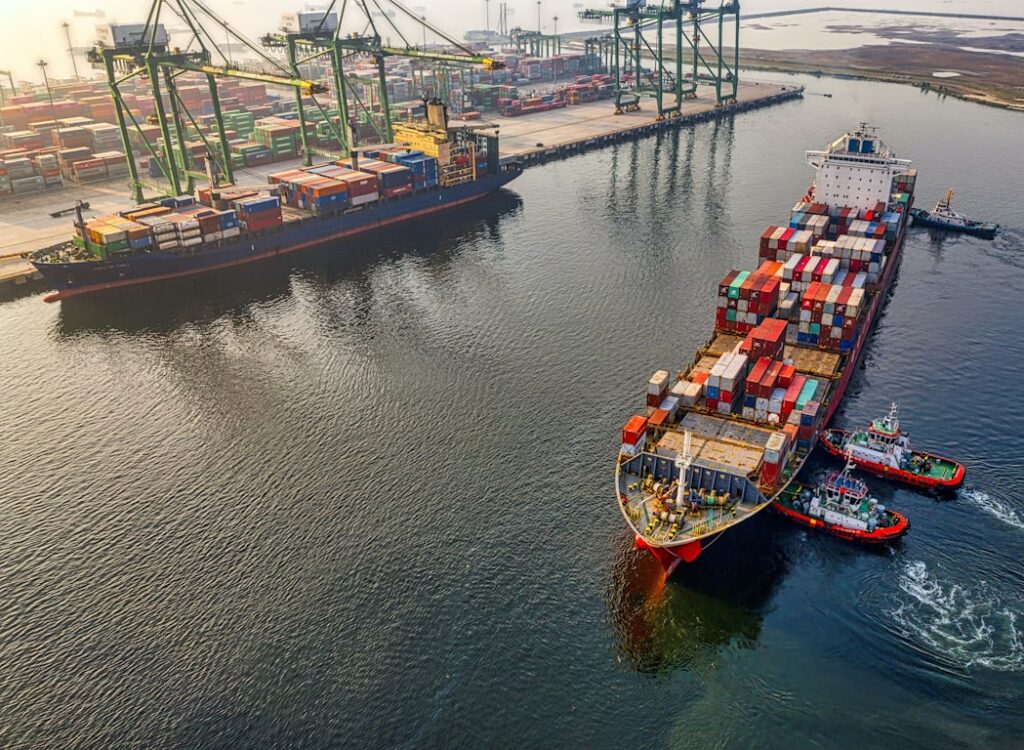
Liability frameworks in maritime law reflect the specialized risks of ocean commerce and the historical development of admiralty jurisprudence. Parties involved in maritime commercial disputes must navigate a range of legal considerations, including:
- The allocation of liability under the Carriage of Goods by Sea Act (COGSA), the Hague-Visby Rules, or the Rotterdam Rules, depending on the applicable international convention and the terms of the contract of carriage
- Limitation of liability regimes that permit shipowners to cap their exposure based on vessel tonnage, subject to proof that the loss occurred without the owner’s privity or knowledge
- The enforceability of forum selection and arbitration clauses in bills of lading and charter parties, which may be challenged on grounds of unconscionability or public policy in certain jurisdictions
- Cross-border enforcement of maritime liens and judgments, particularly when assets are located in jurisdictions with differing recognition standards
- The role of Protection and Indemnity (P&I) clubs and hull insurers in funding defense costs and indemnifying shipowners, and the impact of insurance coverage disputes on overall litigation strategy
Outcome and Broader Significance
The resolution of complex maritime commercial disputes depends heavily on early strategic decisions regarding jurisdiction, forum selection, and the marshaling of evidence. Given the perishable nature of maritime evidence — vessel conditions change, crew members disperse, and electronic navigation records may be overwritten — prompt investigation and preservation efforts are essential. Arbitration remains the preferred dispute resolution mechanism in many maritime commercial contexts, offering procedural flexibility and access to arbitrators with specialized industry knowledge.
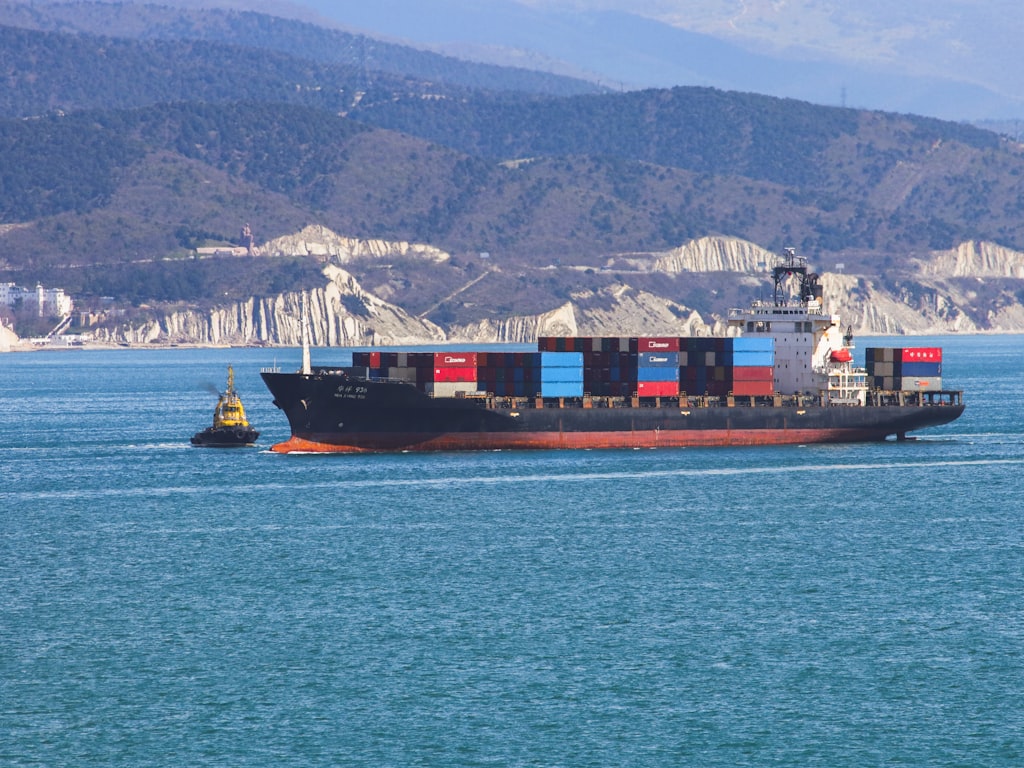
Maritime law continues to evolve in response to changes in global trade patterns, environmental regulation, and technological developments in vessel navigation and cargo handling. The increasing complexity of supply chains, the growth of containerized shipping, and the emergence of autonomous vessel technology are generating new categories of disputes that will test established admiralty principles. For parties engaged in maritime commerce, the ability to anticipate jurisdictional challenges and structure contractual relationships with dispute resolution in mind remains a critical component of effective risk management.