Introduction
Patent infringement litigation in the United States follows a structured procedural pathway that begins with the filing of a complaint in federal district court and may extend through years of discovery, claim construction proceedings, trial, and appellate review before the United States Court of Appeals for the Federal Circuit. Each phase of the litigation carries distinct strategic implications, and the decisions made at the outset—from venue selection to the framing of infringement theories—often determine the trajectory of the entire case. The complexity of patent disputes, which frequently involve highly technical subject matter and overlapping bodies of law, demands sustained coordination between legal counsel, technical experts, and business stakeholders throughout the process.
The stakes in patent infringement actions are substantial, with damages awards and injunctive relief capable of reshaping competitive dynamics across entire industries. Whether asserting or defending patent rights, parties must navigate an intricate procedural landscape governed by the Federal Rules of Civil Procedure, the Patent Act, and an evolving body of Federal Circuit and Supreme Court precedent. Understanding the progression from complaint through appeal—and the critical decision points embedded at each stage—is essential for any entity engaged in technology-driven commerce or intellectual property portfolio management.
Legal and Strategic Considerations
The claim construction phase—commonly known as a Markman hearing—frequently serves as the pivotal juncture in patent infringement litigation. During this proceeding, the court interprets the scope and meaning of disputed patent claim terms, and the resulting constructions often dictate whether the accused product or process falls within the patent’s coverage. Because claim construction rulings are questions of law subject to de novo review on appeal, they represent both an opportunity and a risk: a favorable construction may effectively resolve the case, while an adverse ruling may necessitate recalibration of the entire litigation strategy, including reassessment of whether settlement offers a more favorable path than trial.
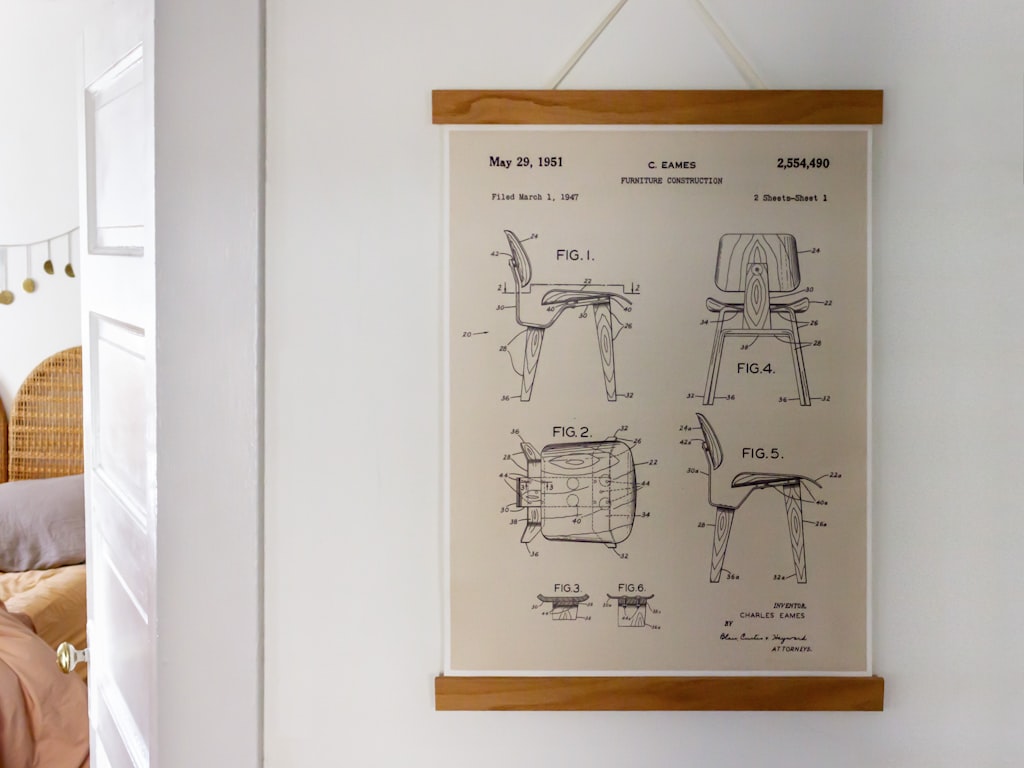
Beyond claim construction, patent infringement cases present a series of interconnected strategic considerations that span the full lifecycle of litigation:
- Venue selection carries significant weight, as certain federal districts have developed specialized patent dockets, local rules governing discovery and claim construction timelines, and judicial expertise that can materially affect litigation pace and outcomes.
- Discovery in patent cases typically involves extensive document production, depositions of inventors and technical personnel, and the exchange of expert reports addressing infringement, validity, and damages—each of which requires careful management to avoid waiver of privilege or inadvertent disclosure.
- Invalidity defenses, including challenges based on prior art, obviousness under 35 U.S.C. § 103, and patent eligibility under 35 U.S.C. § 101, provide defendants with multiple avenues to contest the enforceability of asserted patents before and during trial.
- Post-trial motions and Federal Circuit appeals introduce additional layers of complexity, as the appellate court applies differing standards of review to claim construction, jury findings of fact, and damages calculations, creating opportunities to challenge or defend trial outcomes on multiple grounds.
- Settlement negotiations may occur at any stage, and the decision to resolve a dispute through licensing agreements, cross-licenses, or monetary settlements requires a careful assessment of litigation risk, portfolio strength, and the commercial relationship between the parties.
Outcome and Broader Significance
The full arc of patent infringement litigation—from the initial complaint through federal appeal—reflects the patent system’s dual function of incentivizing innovation while maintaining competitive markets. Federal Circuit decisions on claim construction, damages methodologies, and patent eligibility continue to shape the boundaries of enforceable patent rights, with significant downstream effects on technology development, licensing practices, and corporate investment in research and development. For entities operating in patent-intensive industries, familiarity with the procedural and substantive dimensions of federal patent litigation is a practical necessity rather than a theoretical concern.

The increasing complexity of patent disputes—driven by overlapping technology standards, expanding prior art databases, and evolving judicial interpretations of patentability—underscores the importance of integrated litigation planning that accounts for every phase of the process. Decisions made at the complaint stage regarding claim selection and infringement theories reverberate through discovery, trial, and appeal, making early strategic assessment a critical determinant of litigation outcomes. Whether a dispute ultimately resolves through judicial decision or negotiated settlement, the pathway from filing to resolution demands a disciplined, technically informed approach to advocacy at each stage.