Introduction
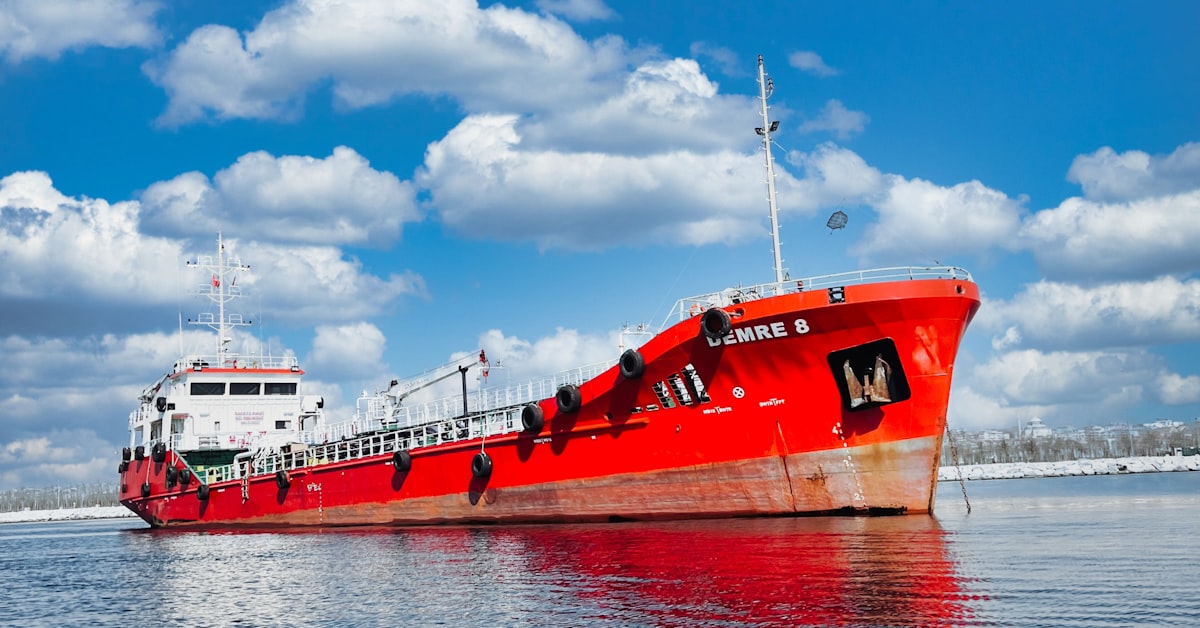
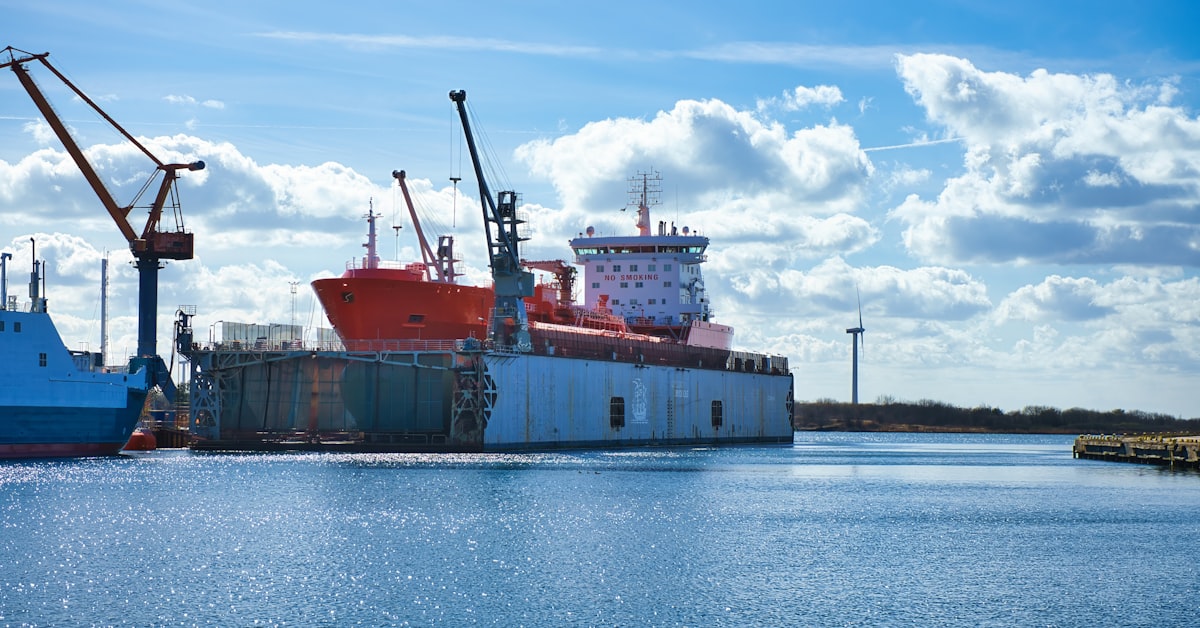
Disputes involving shipping enterprises encompass a broad category of commercial litigation arising from the contractual relationships that underpin global maritime trade. Charter party agreements, contracts of affreightment, shipbuilding contracts, vessel sale and purchase agreements, and ship management arrangements each generate distinct forms of contractual exposure that can result in substantial financial liability when performance failures, market disruptions, or interpretive disagreements arise. The cross-border character of these transactions — involving parties, vessels, and cargo moving through multiple jurisdictions — adds enforcement complexity that shapes the resolution of disputes from inception through final judgment or award.
The cyclical nature of shipping markets amplifies the frequency and scale of contractual disputes. During periods of rate volatility, charterers may seek to avoid above-market commitments while owners pursue damages for anticipatory breach. Counterparty insolvency — a recurring feature of shipping downturns — can transform straightforward contractual claims into complex multi-party proceedings involving secured creditors, mortgagees, and maritime lien holders. These dynamics ensure that shipping enterprise disputes remain among the most commercially significant matters in international arbitration and maritime litigation.
Legal and Strategic Considerations
The contractual instruments governing shipping enterprise relationships are typically governed by English law or New York law, with disputes resolved through arbitration in London under the London Maritime Arbitrators Association (LMAA) terms or in New York under the Society of Maritime Arbitrators (SMA) rules. The choice of governing law and arbitral seat has substantial implications for the interpretation of contractual provisions, the availability of interim remedies, and the enforceability of awards. Standard form charter parties — including the BIMCO suite of contracts — provide a foundation for most commercial shipping relationships, but the extensive modification of standard terms through rider clauses and addenda frequently generates interpretive disputes that require arbitral resolution.
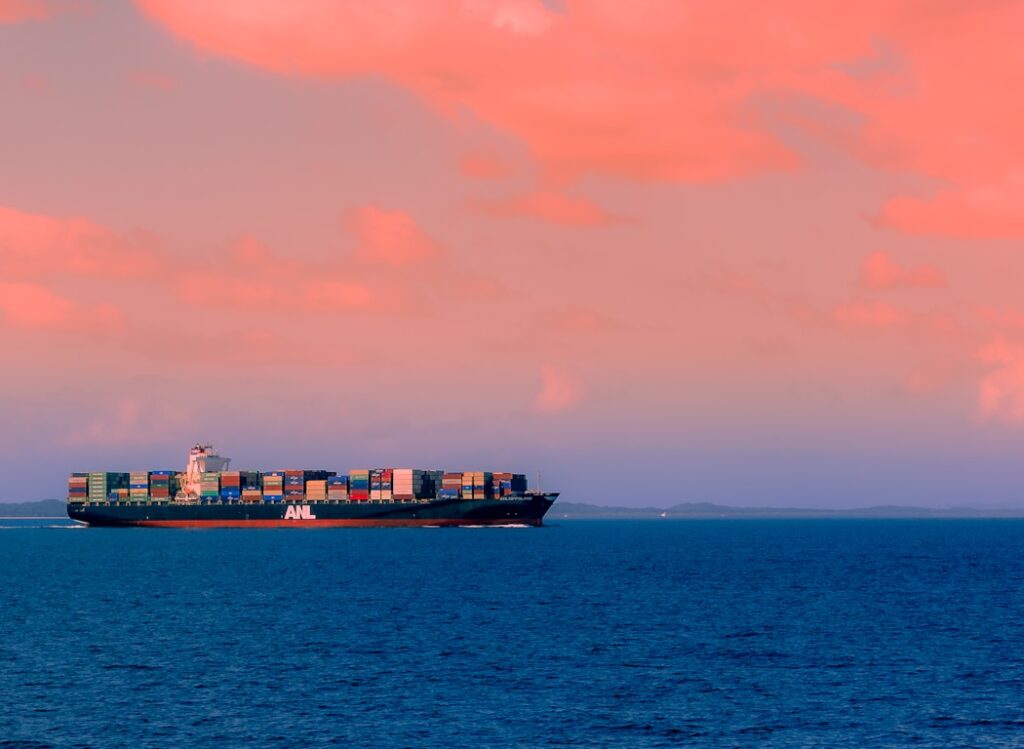
Cross-border enforcement of arbitral awards and court judgments represents one of the most significant practical challenges in shipping enterprise disputes. While the New York Convention provides a broadly effective framework for the recognition of arbitral awards, enforcement can be complicated by jurisdictional objections, sovereign immunity claims, and the need to locate and attach assets in favorable enforcement jurisdictions. Key legal and strategic considerations in these disputes include:
- The interpretation and enforcement of off-hire clauses, speed and consumption warranties, and safe port obligations under time charter parties, where the allocation of risk between owners and charterers turns on specific contractual language and established arbitral precedent
- Breach of contract claims arising from the repudiation of charter parties during market downturns, including the calculation of damages based on the difference between the contract rate and the prevailing market rate over the unexpired charter period
- The availability of vessel arrest as a security mechanism under Rule B attachments in the United States or statutory arrest under the International Convention on Arrest of Ships, and the strategic use of arrest proceedings to compel arbitration or settlement
- Enforcement of arbitral awards across multiple jurisdictions, including strategies for identifying and attaching assets — such as vessels, bunkers, sub-freights, and hire payments — in jurisdictions that provide effective enforcement mechanisms
- The impact of sanctions regimes and trade compliance requirements on contractual performance, including force majeure defenses and the frustration of charter party obligations resulting from geopolitical developments

Outcome and Broader Significance
The resolution of shipping enterprise disputes typically occurs through arbitration, reflecting the strong industry preference for private adjudication by arbitrators with specialized maritime and commercial knowledge. The body of arbitral precedent developed through LMAA and SMA proceedings provides a degree of predictability in the interpretation of standard charter party terms, though the confidential nature of most awards limits their precedential value compared to judicial decisions. Where court proceedings are necessary — whether for enforcement, interim relief, or the resolution of jurisdictional challenges — the specialized admiralty courts of London, New York, Singapore, and Hong Kong serve as the principal forums.
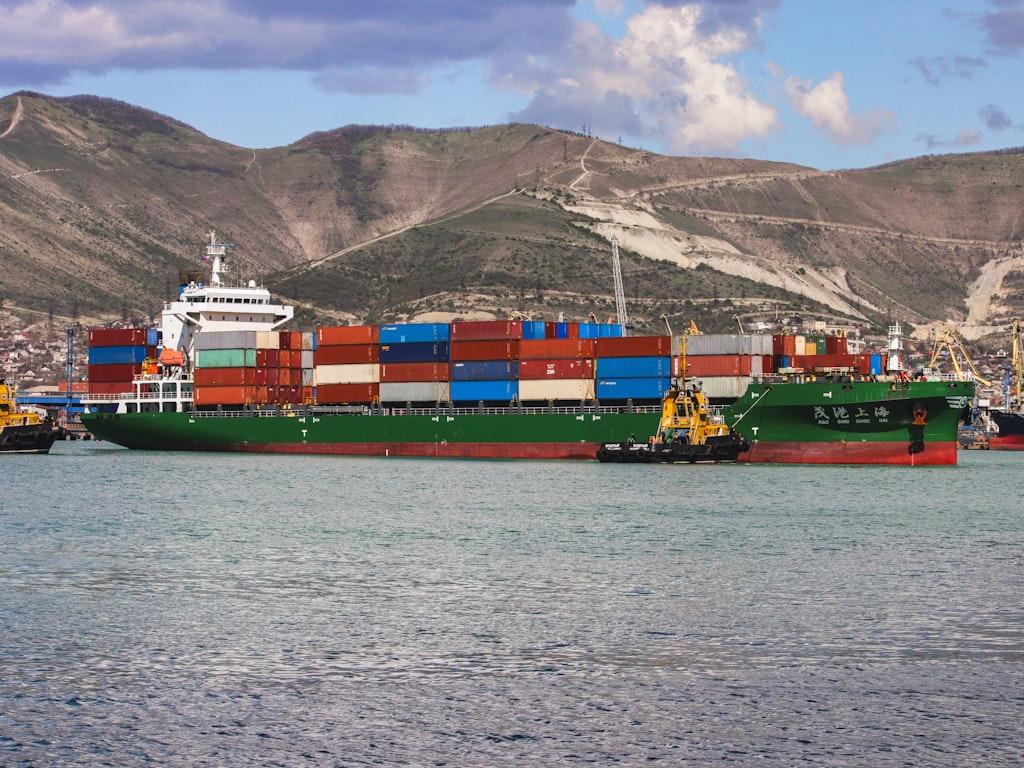
The increasing complexity of global supply chains, the consolidation of shipping enterprises into larger corporate groups, and the growing impact of environmental regulation on vessel operations are generating new sources of contractual exposure that will shape the next generation of shipping disputes. Decarbonization requirements, the transition to alternative fuels, and the evolving regulatory landscape for emissions trading are creating novel contractual allocation issues that standard form charter parties were not designed to address. For parties engaged in international shipping, the careful structuring of contractual relationships — including the selection of governing law, arbitration provisions, and enforcement-friendly jurisdictional connections — remains essential to the effective management of commercial risk.