Introduction
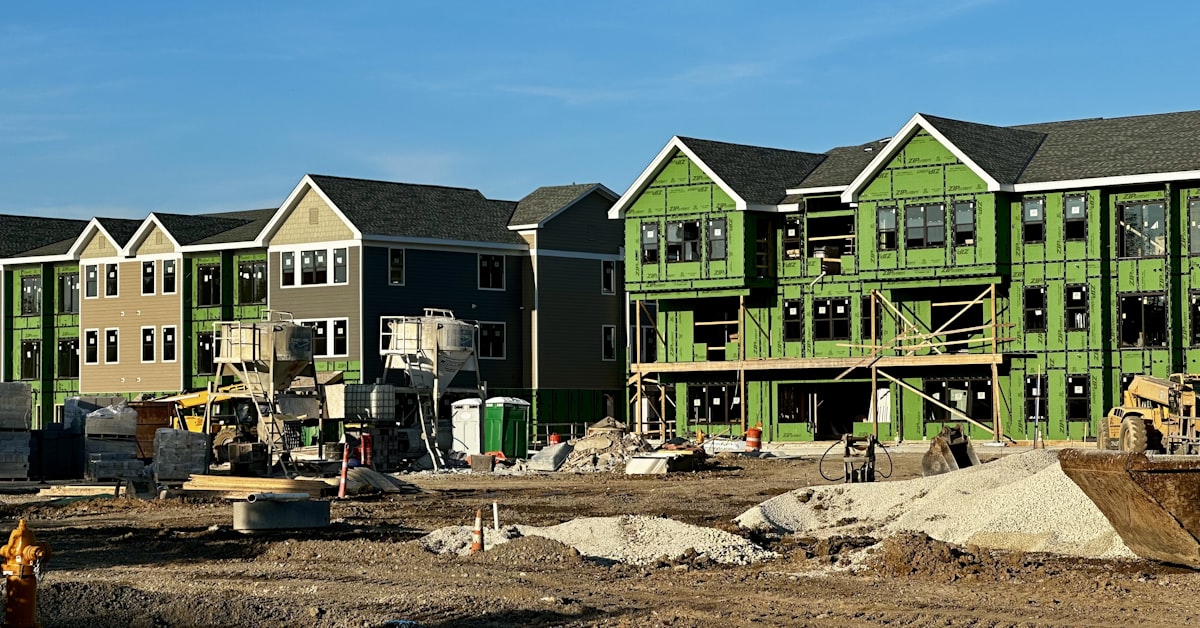
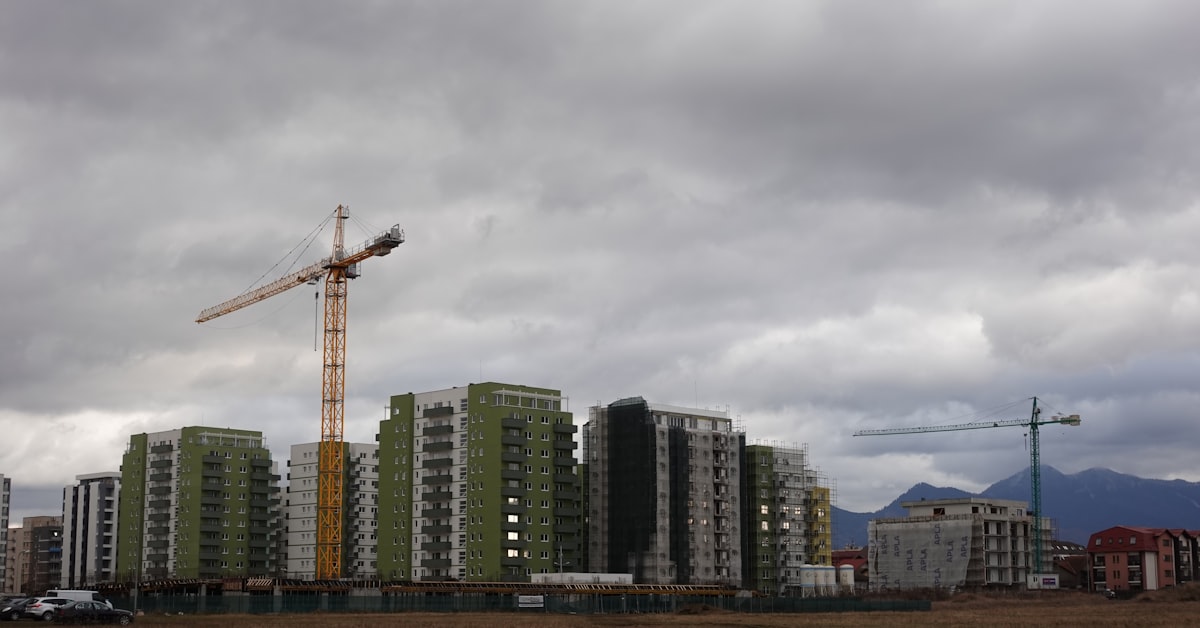
Wrongful death claims arising from construction site accidents and infrastructure collapse represent a category of litigation defined by complex factual investigations, multiple potentially liable parties, and the intersection of tort law, regulatory compliance, and insurance coverage. Construction fatalities remain a persistent concern across the industry, with the Bureau of Labor Statistics consistently identifying construction as one of the sectors with the highest rates of workplace fatalities in the United States. When a death results from structural failure, equipment malfunction, or unsafe site conditions, the resulting litigation typically involves claims against general contractors, subcontractors, property owners, equipment manufacturers, engineers, and architects—each of whom may bear varying degrees of responsibility under applicable state law.
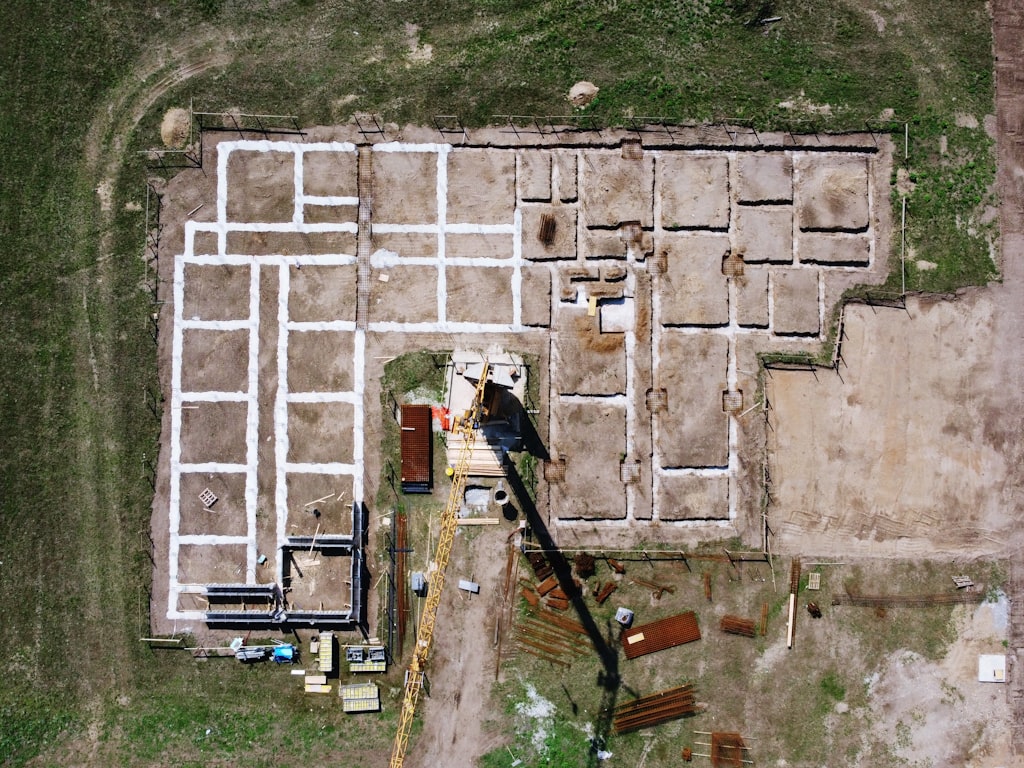
Infrastructure collapse events—including bridge failures, building collapses, and excavation cave-ins—introduce additional dimensions of complexity, as they may involve governmental entities, public works contractors, and regulatory bodies whose actions or omissions contributed to the conditions giving rise to the fatality. The legal frameworks governing these claims vary by jurisdiction but generally require plaintiffs to establish that the decedent’s death resulted from the negligence, recklessness, or strict liability of one or more defendants, while defendants must navigate overlapping theories of liability, contribution and indemnification claims among co-defendants, and the interplay between workers’ compensation exclusivity provisions and third-party tort actions.
Legal and Strategic Considerations
Establishing liability in construction and infrastructure collapse wrongful death cases requires a detailed reconstruction of the events leading to the fatality, typically involving engineering experts, accident reconstruction specialists, and professionals with expertise in construction safety standards and applicable building codes. OSHA regulations, state workplace safety statutes, and industry standards promulgated by organizations such as the American National Standards Institute (ANSI) and the American Society of Civil Engineers (ASCE) frequently serve as benchmarks against which the conduct of contractors, engineers, and property owners is measured. Violations of these standards may give rise to negligence per se claims or serve as evidence of a departure from the applicable standard of care.
The litigation of wrongful death claims in the construction and infrastructure context involves several legal and procedural considerations that shape both the prosecution and defense of these actions:
- Workers’ compensation exclusivity bars direct tort claims by employees against their employers in most jurisdictions, channeling wrongful death litigation toward third-party defendants such as property owners, general contractors (where the decedent was employed by a subcontractor), equipment manufacturers, and design professionals.
- Product liability theories may apply where the fatality resulted from defective construction equipment, scaffolding, or building materials, requiring plaintiffs to prove design defects, manufacturing defects, or failure-to-warn claims against the manufacturer or distributor of the product at issue.
- Contractual indemnification and additional insured provisions in construction contracts frequently allocate risk among project participants, and the enforceability and scope of these provisions—which vary significantly by jurisdiction—often determine the ultimate allocation of financial responsibility among the parties.
- Insurance coverage disputes, including questions of policy stacking, coverage triggers, and the application of exclusions for construction defects or employer liability, frequently arise as a parallel track to the underlying wrongful death litigation and may significantly affect the resources available to satisfy any judgment or settlement.
- Governmental immunity and notice-of-claim requirements impose additional procedural hurdles where public entities or agencies are involved as project owners, designers, or inspectors, requiring strict compliance with statutory deadlines and claim procedures that vary by jurisdiction.
Outcome and Broader Significance
Wrongful death litigation arising from construction accidents and infrastructure failures serves a dual function within the legal system: it provides a mechanism for compensating the families of those killed as a result of negligent or defective practices, and it creates financial incentives for the construction industry to invest in safety measures, quality controls, and regulatory compliance. The damages recoverable in these actions—which may include compensation for lost future earnings, loss of parental guidance and companionship, funeral expenses, and in some jurisdictions, punitive damages—reflect the severity of the losses suffered and the degree of culpability attributed to the responsible parties.

The complexity of multi-party construction wrongful death cases, with their overlapping contractual relationships, insurance programs, and regulatory frameworks, demands a coordinated approach to both investigation and litigation. Effective representation in these matters requires not only mastery of the applicable tort and wrongful death statutes but also a working understanding of construction industry practices, engineering principles, and the contractual and insurance structures that govern risk allocation on modern construction projects. The outcomes of these cases continue to inform industry safety standards and the contractual frameworks through which construction risks are managed and distributed.